

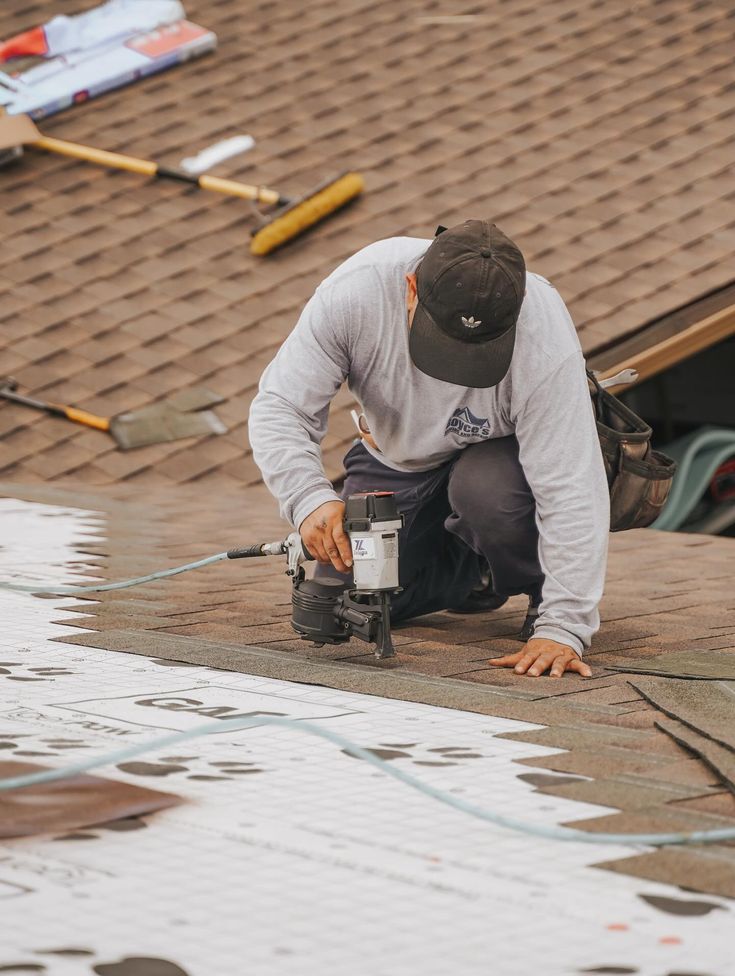
Roof Maintenance North Hollywood, CA – Protect Your Property with Preventive Roofing Care
Roof maintenance in North Hollywood, California, is an important part of protecting your home or commercial property from weather damage, premature deterioration, and unexpected repair expenses. A roof provides the first line of defense against sunlight, wind, rain, and environmental debris. Regular maintenance helps identify developing problems before they become serious concerns, allowing property owners to preserve their roofing systems and maintain a safer, more comfortable indoor environment.
North Hollywood experiences hot, sunny summers and seasonal rainfall, making routine roof care especially valuable. Prolonged exposure to ultraviolet radiation can gradually affect roofing materials, sealants, and exposed components. Wind can move branches and debris onto roof surfaces, while seasonal storms may reveal weaknesses around flashing, vents, skylights, and drainage systems. Scheduled inspections help property owners understand how these conditions affect their roofs.

Professional roof maintenance begins with an assessment of the existing roofing system. Depending on the material and roof design, an inspection may include checking shingles, tiles, metal panels, membranes, flashing, gutters, downspouts, and visible drainage pathways. The inspector may also look for cracked materials, loose components, corrosion, damaged sealants, and signs of water intrusion.
Early detection is one of the main benefits of a consistent maintenance plan. A small opening around a roof penetration can allow moisture to enter the roofing assembly. If the issue remains unnoticed, water may damage insulation, wood decking, interior ceilings, and other building components. Timely attention can help limit the extent of repairs and reduce disruption to occupants.
Every roof has different maintenance requirements. Asphalt shingles, clay tiles, concrete tiles, metal panels, and flat roofing membranes respond differently to environmental exposure. A maintenance program should account for the roofing material, roof age, installation quality, drainage design, nearby trees, and history of previous repairs.
Homeowners should also consider the condition of roof edges, valleys, and transitions between different building materials. These areas can experience concentrated water flow or contain several connected components that must remain properly sealed. Keeping these details in good condition helps support the overall performance of the roof.
Roof maintenance is not simply a response to visible damage. It is a proactive approach to extending service life, managing repair costs, and protecting the value of a property. By scheduling regular professional evaluations and addressing identified issues promptly, North Hollywood property owners can make informed decisions about their roofing systems throughout the year.
Residential Roof Maintenance Services for North Hollywood Homeowners
A well-maintained residential roof helps protect the structure, belongings, and people inside a home. For North Hollywood homeowners, regular roof maintenance can reduce the likelihood of overlooked damage and help preserve the appearance and performance of the property. Whether a house has asphalt shingles, tile roofing, metal panels, or another approved roofing material, a maintenance schedule should reflect its specific needs.
One important part of residential roof maintenance is checking for visible material deterioration. Shingles may develop cracks, lose protective granules, or become displaced. Tile roofs may have broken or slipped tiles that expose vulnerable areas underneath. Metal roofing can develop damaged coatings, loose fasteners, or corrosion in locations where protective finishes have been compromised. Identifying these conditions early makes it easier to determine the appropriate corrective action.
Roof flashing deserves particular attention during an inspection. Flashing protects transitions around chimneys, plumbing vents, skylights, roof edges, and adjoining walls. If flashing becomes loose, damaged, or improperly sealed, water can find a pathway into the building. A roofing professional can examine these connections and recommend repairs that are compatible with the existing system.
Gutters and downspouts are another essential part of residential roof care. Leaves, twigs, and accumulated debris can obstruct drainage, causing water to collect in unwanted locations or overflow near exterior walls. Keeping drainage channels clear helps direct rainwater away from the roof and foundation. Homeowners should also check that discharged water flows away from the building wherever the drainage design allows.

Attic inspections can provide additional information about roof performance. Signs such as unexplained moisture, water staining, damaged insulation, or inadequate ventilation may indicate a problem requiring further evaluation. Not every attic issue originates from the roof, so identifying the actual cause is important before beginning repairs.
Preventive maintenance is particularly useful for older homes. Roofing materials naturally age, and previous repairs may eventually need attention. A professional inspection can help distinguish between isolated defects and widespread deterioration. This information allows homeowners to decide whether localized repairs, additional monitoring, or replacement planning is appropriate.
For commercial buildings, preventive maintenance can also support property management planning. Documented inspections, photographs, and repair recommendations give owners a clearer understanding of roof condition and help them budget for future work.
The area surrounding the house can also affect roof condition. Overhanging branches may drop debris, rub against roofing materials, or provide easier access for certain pests. Appropriate tree maintenance can reduce these risks while helping protect gutters and roof surfaces.
Homeowners should avoid climbing onto roofs without appropriate training and fall-protection equipment. Roof surfaces can be steep, fragile, hot, or slippery, even when they appear dry. Professional maintenance provides a safer way to evaluate hard-to-reach components and document concerns.
A residential roof maintenance plan should include recommended inspection intervals, records of completed work, and guidance for future attention. By taking a consistent approach, North Hollywood homeowners can better protect their investment, identify problems sooner, and maintain confidence in the condition of their roofs.
Commercial Roof Maintenance in North Hollywood for Long-Term Building Protection
Commercial roof maintenance is an essential responsibility for business owners, landlords, facility managers, and commercial property investors. A roof protects inventory, equipment, office interiors, employees, tenants, and daily business operations. When roofing problems go unnoticed, even a relatively small defect can lead to water intrusion, damaged materials, and costly interruptions.
Commercial buildings vary widely in design. Offices, retail spaces, warehouses, workshops, and industrial properties may use standing seam metal roofing, low-slope membrane systems, modified bitumen, built-up roofing, or other roofing assemblies. Each system has distinct inspection and maintenance requirements, so service should be tailored to the actual materials and roof configuration.
Drainage is especially important for low-slope commercial roofs. Drains, scuppers, gutters, and other water-management components should be inspected for blockages, deterioration, and improper operation. Standing water that remains beyond the period expected for the particular roofing system may indicate drainage problems or other conditions that require investigation. A professional can assess the cause and recommend suitable corrective work.

Seams, penetrations, and roof transitions also deserve routine attention. Membrane seams can separate, flashing can deteriorate, and equipment installations can create vulnerable openings if their waterproofing details are not maintained. Heating, ventilation, and air-conditioning equipment, exhaust systems, conduits, and other rooftop installations should be reviewed for conditions affecting the surrounding roof assembly.
Commercial maintenance can help property managers plan expenditures more effectively. Rather than waiting for a leak to force an urgent response, owners can use inspection reports to prioritize repairs according to condition, severity, and operational risk. A documented maintenance history also makes it easier to compare roof conditions from one inspection to the next.
For businesses that operate throughout the day, scheduling is an important consideration. Maintenance work may need to be coordinated around deliveries, customer access, tenant requirements, security procedures, and equipment operations. Clear communication between the property manager and roofing contractor helps minimize unnecessary disruption.
Commercial roof inspections should also consider rooftop safety. Access points, walkways, fall-protection arrangements, and areas surrounding equipment may affect how maintenance can be performed. Work should follow applicable safety requirements and the roofing manufacturer’s instructions.
A written maintenance agreement can define inspection frequency, reporting procedures, emergency response expectations, and the process for approving repairs. The appropriate arrangement depends on roof size, complexity, age, and the property’s operational requirements. Building owners should review the scope carefully to understand which services are included and which are billed separately.
Seasonal Roof Inspections, Leak Prevention, and Preventive Maintenance
Seasonal roof maintenance helps North Hollywood property owners prepare for changing weather conditions and identify problems that develop throughout the year. Although Southern California is known for its sunshine, roofs still experience temperature changes, wind, airborne debris, and periods of heavy rainfall. A planned inspection routine helps ensure that important roofing components remain in suitable condition.
Before the rainy season, property owners should consider arranging a professional roof inspection. The evaluation may include checking exposed roofing materials, flashing, roof valleys, gutters, downspouts, drains, and seals around penetrations. Clearing suitable drainage pathways before significant rainfall can help prevent avoidable blockages and reduce the chance of water collecting in vulnerable areas.
Summer conditions can also influence roofing performance. Extended sun exposure may gradually affect certain coatings, sealants, and roofing materials. On hot days, roofing surfaces can become extremely hot, making direct inspection hazardous. Professional roofers can assess exposed components using appropriate safety precautions and identify areas requiring further attention.
Wind can carry leaves, branches, and other debris onto roofs and into drainage systems. Nearby trees may also create additional maintenance needs when branches overhang the building. Appropriate trimming by qualified professionals can help reduce contact with roofing materials and limit debris accumulation. Property owners should avoid attempting hazardous tree or roof work themselves.

Leak prevention begins with understanding common entry points for water. Flashing around vents, skylights, chimneys, and walls must be installed and maintained correctly. Roof valleys and drainage areas should remain clear, and damaged materials should be evaluated promptly. Applying sealant over a suspected leak without identifying its source may provide only temporary relief and can complicate future repairs.
After a significant storm, a visual check from the ground may reveal displaced roofing materials, fallen branches, or damaged gutters. Interior signs such as new ceiling stains, damp walls, or unexpected moisture should also be taken seriously. If damage is suspected, a qualified roofing contractor can inspect the area and recommend appropriate next steps.
Roof ventilation and attic conditions may also be reviewed during seasonal maintenance. Poor ventilation, condensation, insulation problems, and roof leaks can sometimes produce similar symptoms. A careful assessment helps determine whether the issue involves the roofing system, interior moisture, ventilation, or more than one factor.
Property owners should maintain records of inspections, photographs, completed repairs, and recommendations. These records help establish a history of roof condition and make it easier to identify recurring problems. They may also be useful when discussing warranty requirements, insurance questions, or future replacement planning.
The ideal maintenance schedule depends on the roof’s age, material, design, exposure, and previous performance. Some properties may benefit from more frequent evaluations because of complex drainage, nearby trees, heavy rooftop equipment, or known defects.
Energy efficiency may be another consideration for commercial properties. Damaged insulation, moisture intrusion, or deficiencies in the roof assembly can affect building performance. During maintenance, a contractor may identify conditions that warrant further assessment, although energy improvements should be based on an appropriate evaluation rather than assumptions.
Seasonal roof maintenance is a practical investment in prevention. By preparing before rainy weather, reviewing the roof after significant storms, and addressing concerns promptly, North Hollywood property owners can reduce avoidable risks and improve their understanding of the roof’s condition.
Affordable Roof Maintenance Plans, Repairs, and Professional Roofing Services in North Hollywood
Choosing a roof maintenance service involves balancing quality, reliability, and cost. For property owners in North Hollywood, a well-planned maintenance program can help identify developing issues, organize necessary repairs, and reduce the uncertainty associated with an aging roofing system. The goal is not to eliminate every future expense, but to manage the roof proactively and make decisions based on its actual condition.
Maintenance costs depend on several factors, including roof size, material, accessibility, slope, drainage design, and the amount of work required. A simple inspection of an accessible roof may differ considerably from maintenance involving several roof levels, complex flashing, specialized equipment, or extensive debris removal. A detailed assessment provides a more realistic basis for estimating costs.
When requesting a roof maintenance estimate, ask the contractor to describe the inspection process, the areas that will be examined, and the services included in the proposed price. If repairs are recommended, the estimate should identify the observed problem, the intended repair method, and the materials to be used. Separate pricing for additional work can help property owners decide which items should be addressed immediately.
It is important to distinguish routine maintenance from major repair or replacement work. Cleaning suitable drainage components, documenting visible conditions, and correcting minor defects may fall within a maintenance visit. Replacing damaged decking, repairing widespread membrane failure, or installing a new roof typically involves a separate scope of work. Clear documentation helps avoid confusion about the service being provided.

Contractor selection deserves careful attention. Property owners should verify the contractor’s California license when required, confirm appropriate insurance, and ask about experience with the specific roofing material installed on their building. Written proposals, relevant references, and clear communication provide a useful basis for comparing service providers.
Maintenance agreements can be especially helpful for larger homes and commercial properties. Depending on the agreement, a plan may include scheduled inspections, condition reports, photographs, drainage checks, and recommendations for future work. Before signing, confirm the inspection frequency, exclusions, repair approval process, response arrangements, and any additional fees.
Warranty considerations should also be reviewed. Roofing product warranties and contractor workmanship warranties are not identical, and each may have different terms and exclusions. Property owners should follow the manufacturer’s maintenance guidance and keep records of relevant work. A maintenance visit does not automatically guarantee that a warranty remains valid, so specific requirements should be confirmed with the manufacturer or warranty provider.
Roof maintenance can also support long-term property planning. Inspection findings help owners determine whether a roof remains in satisfactory condition, requires targeted repairs, or should be evaluated for eventual replacement. Planning ahead may provide more flexibility in choosing materials, comparing proposals, and scheduling construction.
At Roof Maintenance North Hollywood, the focus of your website should be on helping local customers understand their roofing needs and request appropriate professional assistance. Explain the services you genuinely offer, describe your inspection process, and provide accurate contact information so prospective customers know how to get started.
Whether you need residential roof inspections, commercial maintenance, leak investigation, drainage cleaning, or repair recommendations, begin with a clear assessment of your property. Consistent preventive care, qualified workmanship, and informed planning can help protect North Hollywood homes and businesses while supporting the long-term performance of their roofing systems.
Professional commercial roof maintenance helps North Hollywood property owners protect their buildings, support business continuity, and make more informed capital-planning decisions. Consistent inspections and timely repairs provide a practical foundation for managing roofing assets over the long term.
Call 818-465-3080
