

Roof Replacement North Hollywood for Reliable and Long-Lasting Roofing Protection
A dependable roof is essential for protecting your property, maintaining indoor comfort, and preserving the value of your investment. Over time, roofing materials experience wear from sunlight, temperature changes, rain, wind, and other environmental conditions. When repairs are no longer sufficient to maintain reliable performance, professional roof replacement in North Hollywood can provide a practical solution for restoring protection and improving the overall condition of your building.
Replacing a roof is a significant investment, so it is important to understand when replacement is appropriate. Some roofing problems can be corrected with targeted repairs, such as replacing a few damaged shingles or fixing a section of flashing. However, widespread deterioration, recurring leaks, extensive storm damage, or damaged underlying materials may indicate that a more comprehensive project is necessary. A professional inspection helps determine the condition of the existing roof and identify suitable options.
North Hollywood features a diverse range of residential and commercial properties, each with different roofing requirements. Single-family homes may have asphalt shingles, concrete tiles, clay tiles, or other sloped roofing materials. Apartment buildings, offices, retail spaces, and industrial properties may use low-slope membranes, modified bitumen, metal roofing, or specialized systems. The right replacement approach depends on the structure, existing materials, drainage design, and intended use of the building.

A successful roof replacement involves much more than installing a new exterior covering. The project may include removing old roofing materials, examining the roof deck, replacing damaged wood, installing appropriate underlayment, renewing flashing, and ensuring that vulnerable transitions receive suitable protection. Each component contributes to the roof’s ability to manage water and withstand normal weather exposure.
Choosing appropriate materials is another important consideration. Property owners should consider durability, appearance, maintenance requirements, installation costs, and compatibility with the building. Roofing products should also meet applicable building requirements and be suitable for the roof’s design. A qualified roofing professional can explain the advantages and limitations of different options without recommending materials that do not fit the property’s needs.
Roof replacement can also provide an opportunity to address issues that may have contributed to previous roofing problems. Poor drainage, deteriorated flashing, inadequate detailing, or damaged roof decking should be evaluated before the new system is installed. Correcting relevant deficiencies during the project can help reduce the likelihood of future problems.
Planning the replacement carefully helps property owners understand the timeline, expected costs, and work involved. A written proposal should explain the roofing materials, removal and installation procedures, cleanup arrangements, and how concealed damage will be handled if it is discovered during construction. Clear communication helps prevent confusion and allows owners to make informed decisions.
With suitable materials, careful installation, and ongoing maintenance, a new roof can help protect your property and support its long-term performance. Investing in the right replacement system begins with understanding your roof’s current condition and choosing a solution that meets your priorities.
Signs Your North Hollywood Property May Need a New Roof
Knowing when to replace a roof can help property owners avoid repeated repair expenses and reduce the risk of unexpected water damage. Although every roofing system ages differently, several warning signs may indicate that a roof replacement in North Hollywood should be considered.
One common sign is frequent or recurring leakage. A roof that develops new leaks despite previous repairs may have widespread deterioration or defects that extend beyond individual damaged areas. Water can enter through cracked roofing materials, worn underlayment, deteriorated flashing, or compromised roof transitions. An inspection can help establish whether the problems are localized or whether the overall roofing system needs replacement.
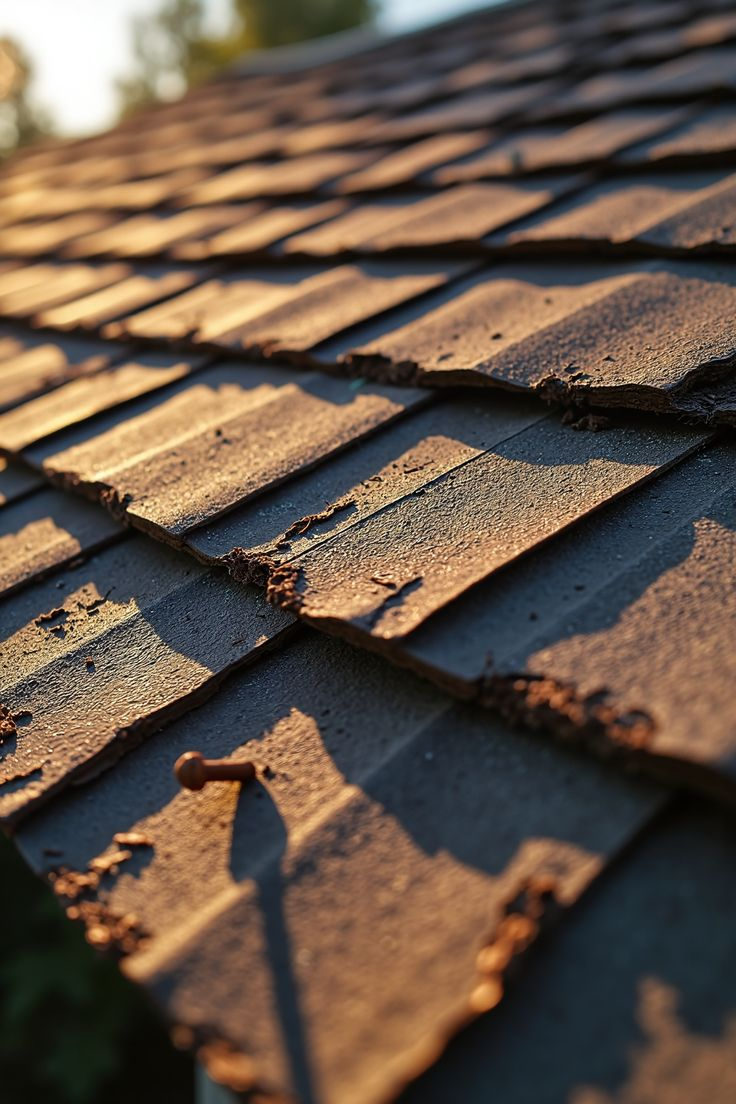
The visible condition of roofing materials also provides useful information. Asphalt shingles may curl, crack, lose protective granules, or become displaced. Tile roofs may contain numerous cracked or missing tiles, while the protective layers beneath them may also require attention. Metal roofing can develop damaged panels, deteriorated fasteners, or joint problems. On low-slope roofs, extensive membrane deterioration or repeated seam failures may indicate that the system needs broader work.
The roof’s age should be considered alongside its condition. Different roofing products have different expected service lives, and performance depends on installation quality, maintenance, weather exposure, and the materials used. An older roof may still be serviceable, while a younger roof with significant installation defects or severe storm damage may need major repairs or replacement.
Another warning sign is widespread damage following severe weather. Strong winds can displace shingles, loosen ridge caps, and expose sections of the roof. Falling branches may damage multiple areas or affect underlying components. If the damage is extensive, replacing the affected roofing system may be more appropriate than repairing individual sections. The decision should be based on an inspection rather than assumptions about the storm alone.

Interior moisture problems can also signal roofing deterioration. Water stains on ceilings, peeling paint, damp insulation, and musty odors may indicate that moisture is entering the building. However, these symptoms can also result from plumbing leaks or condensation. Identifying the actual source is important before deciding on roof replacement.
Structural concerns require prompt professional attention. A roofline that appears uneven, visibly damaged decking, or a ceiling that begins to sag may indicate a serious problem. Keep people away from potentially unstable areas and arrange an appropriate assessment. If there is an immediate risk of collapse, leave the affected area and contact emergency services as necessary.
Rising maintenance expenses may be another reason to evaluate replacement. When roofing materials repeatedly fail, contractors are frequently called to address new leaks, or several sections require extensive work, continued repairs may become less economical. Comparing the projected cost of ongoing maintenance with the cost of a new roof can help clarify the available choices.
A professional assessment should explain which components are failing, whether the underlying deck is affected, and what repair alternatives remain practical. Ask for a clear comparison of targeted repairs and replacement, including the advantages, limitations, and anticipated costs of each option.
Our goal is to provide North Hollywood property owners with practical roofing solutions tailored to their buildings. Whether your existing roof has reached the end of its useful service life, has experienced extensive damage, or requires repeated repairs, a professional assessment can help you determine the most appropriate next step.
Recognizing these signs helps property owners make informed decisions before roofing problems become more disruptive. A timely inspection can determine whether the existing roof can continue performing with appropriate repairs or whether a new roofing system is the more suitable investment.
Our Roof Replacement Process in North Hollywood From Inspection to Installation
Replacing a roof requires careful coordination, appropriate materials, and skilled installation. A well-organized process helps property owners understand what to expect and supports a roofing system designed to provide dependable protection. Our roof replacement services in North Hollywood focus on evaluating the existing roof, developing a suitable plan, and completing the work according to the property’s requirements.
The process begins with a roofing inspection. A qualified professional evaluates the visible condition of the roof and looks for signs of deterioration, leakage, storm damage, or installation problems. The assessment may include shingles or tiles, flashing, roof edges, valleys, penetrations, drainage components, and accessible areas of the underlying structure. This information helps establish whether replacement is appropriate and identifies issues that should be addressed during the project.
After the inspection, the contractor discusses the recommended roofing system with the property owner. Important considerations include the roof’s design, existing materials, desired appearance, budget, and relevant building requirements. The contractor should explain the proposed materials and outline the work included in the project so the owner understands the expected result.

The next stage involves preparing a written estimate and scheduling the work. The proposal should identify the planned removal of existing materials, installation of the new roof, cleanup, and handling of concealed damage if it is discovered. Depending on the project, applicable permits and inspections may also need to be coordinated.
Before installation begins, the work area should be prepared to protect the property as reasonably possible. Outdoor furniture, vehicles, and other belongings may need to be moved away from the work zone. Property owners should discuss access, parking, noise, and other practical considerations with the roofing contractor, especially when the building is occupied.
Existing roofing materials are then removed as required by the project scope. Once the underlying surface is accessible, the contractor can examine the roof deck for signs of deterioration. Damaged or weakened sections should be addressed before the new roofing system is installed. This step is important because the visible roofing surface does not always reveal the full condition of the materials beneath it.
The new system is installed using materials appropriate for the roof design. Depending on the project, this may include underlayment, shingles, tiles, metal panels, membrane roofing, flashing, fasteners, and other components. Particular attention should be given to roof valleys, edges, penetrations, and transitions where water management is especially important.
Drainage and ventilation should also be considered where relevant. Gutters, drains, and other water-management components need to work with the roofing system to direct water away from the structure. Ventilation details should be suitable for the roof design and applicable requirements. Addressing these factors helps support the performance of the completed installation.
A clear process reduces uncertainty and helps property owners make informed decisions throughout the project. From the initial evaluation to the final review, communication should remain focused on the work required, the condition of the property, and the expected outcome.
Residential and Commercial Roof Replacement Services in North Hollywood
Every building has different roofing needs, which is why roof replacement should be tailored to the property’s design, size, and intended use. Residential homes, apartment complexes, offices, retail locations, and industrial buildings may require different materials and installation methods. Professional roof replacement in North Hollywood helps property owners select a suitable system and address roofing concerns based on the building’s individual requirements.
For homeowners, a new roof can help protect living spaces, belongings, and the structural components of the house. Residential roofing materials often include asphalt shingles, concrete tiles, clay tiles, and metal systems. Each option offers different characteristics in terms of appearance, weight, maintenance, and installation requirements. The appropriate choice depends on the existing structure, budget, local requirements, and the homeowner’s priorities.
A residential replacement project should consider the complete roofing system rather than only the visible surface. Underlayment, flashing, roof edges, valleys, penetrations, and ventilation may all influence performance. If the old roof has experienced recurring leaks, the contractor should investigate the likely causes and determine whether additional components need attention during replacement.
Apartment buildings and rental properties often require more coordination than single-family homes. Owners and property managers may need to plan around tenant schedules, shared entrances, parking, and common areas. Communicating the project timeline and any temporary access restrictions helps residents prepare for the work. If several roof sections are involved, the contractor should explain how the project will be organized.
Commercial properties may use low-slope roofs, metal roofing, membrane systems, or other materials designed for the building’s structure. These roofs often include rooftop equipment, drainage outlets, service pathways, and multiple penetrations. A replacement plan should account for these features and ensure that the new system is compatible with the building’s operational requirements.
For business owners, roofing replacement can be an opportunity to address long-standing maintenance concerns while protecting equipment, inventory, and interior spaces. Scheduling may need to account for customer access, employee activity, and business operations. The contractor should discuss expected noise, material deliveries, debris removal, and any areas that may temporarily become inaccessible.
Industrial and warehouse properties may have large roof areas where drainage and installation logistics require particular attention. The project may need to be divided into manageable sections depending on building access, weather conditions, and the scope of the work. Careful planning can help the property owner understand the sequence of construction and the steps being taken to protect the building.

Regardless of property type, material compatibility and proper installation are essential. Roofing products should be suitable for the roof’s slope, structure, drainage design, and exposure. Relevant local building requirements should be considered, and any necessary permits or inspections should be addressed as part of the project planning.
Budget considerations also vary between properties. Homeowners may prioritize appearance and long-term maintenance, while commercial owners may focus on durability, operational needs, and minimizing disruption. A professional estimate should identify the materials, labor, and related work included so the owner can compare options accurately.
After the new roof is installed, regular inspections and maintenance can help protect the investment. Owners should monitor visible conditions after severe weather, maintain drainage systems, and address concerns before they develop into significant problems.
Once the installation is finished, the contractor should review the completed work, remove construction debris, and explain any relevant maintenance recommendations. Property owners should receive the final documentation, including invoices, material information, and applicable warranty details. It is also useful to understand what the warranties cover and which conditions or maintenance obligations may apply.
Whether you need a new roof for a house, rental property, or commercial building, the goal is to install a roofing system that suits the structure and provides reliable protection. Customized roof replacement services help North Hollywood property owners address current roofing concerns and plan for the future.
Affordable Roof Replacement North Hollywood With Quality Materials and Workmanship
Choosing a new roof is a major decision that affects your property’s protection, appearance, and maintenance needs. Finding affordable roof replacement in North Hollywood means identifying a solution that fits your budget while maintaining suitable material quality and installation standards. The lowest initial price is not always the best long-term value, so understanding the project scope and available options is essential.
Roof replacement costs depend on several factors. These can include the roof’s total area, pitch, accessibility, existing materials, number of layers to remove, and extent of damage. Projects that require extensive decking repairs, flashing replacement, drainage improvements, or additional labor may cost more than straightforward installations. A professional inspection helps establish the work that is likely to be required.
The roofing material is another important factor. Asphalt shingles may offer an accessible option for many residential properties, while tile, metal, and specialized low-slope systems have different installation requirements and cost considerations. Property owners should compare durability, appearance, maintenance needs, and compatibility with the building rather than choosing materials based on price alone.
A detailed written estimate makes it easier to understand the investment. The proposal should explain the materials, removal and installation procedures, labor, cleanup, and any related components included in the project. It should also describe how concealed damage will be handled if the contractor discovers deteriorated decking or other issues after removing the existing roof.
Comparing estimates from qualified contractors is a useful way to evaluate the market. However, make sure the proposals cover comparable work. One estimate may include upgraded materials or additional repairs, while another may exclude those items. Asking questions about differences in scope helps you compare the true value of each proposal.
Property owners should also consider the expected maintenance requirements of the selected roofing system. Every roof benefits from appropriate care, but maintenance practices vary depending on the material and design. Understanding these requirements before installation helps you plan for future inspections and upkeep.
Workmanship is particularly important because a roofing system contains many connected components. Even high-quality materials can perform poorly if flashing, underlayment, fasteners, edges, and penetrations are not installed correctly. A qualified contractor should follow appropriate installation procedures and explain the warranties applicable to the materials and workmanship.

Before signing a contract, verify the contractor’s credentials and ask how applicable permits and building requirements will be handled. In California, contractor license information can be checked through the Contractors State License Board. Review the written agreement carefully and make sure payment terms, project scope, and procedures for approving additional work are clear.
After replacement, keep copies of the contract, invoice, warranty information, and material documentation. These records can help with future maintenance, warranty questions, and property management. Arrange periodic inspections when appropriate, keep drainage pathways clear, and seek professional advice if you notice loose materials, recurring moisture, or other signs of concern.
Our goal is to help North Hollywood property owners find roofing solutions that balance cost, workmanship, and long-term performance. Whether your existing roof has reached the end of its service life, requires repeated repairs, or has sustained extensive damage, the first step is to evaluate its condition and understand the options available.
Contact our team to discuss your roof replacement needs and arrange an assessment. We can review the existing roof, explain suitable material choices, and help you understand the scope of work involved. With careful planning, appropriate products, and professional installation, a new roof can provide reliable protection and support the value of your property for years to come.
For homeowners and commercial property owners in North Hollywood, professional roof replacement provides an opportunity to address aging materials and improve the condition of the entire roofing system. Careful planning and appropriate installation practices help support lasting protection.
Call 818-465-3080
