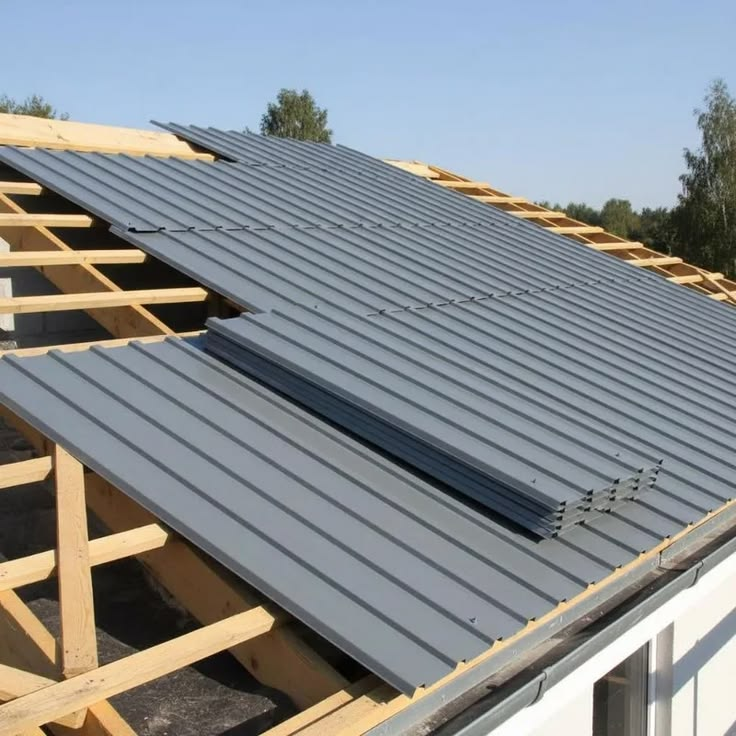
Professional Roofing Leak Repair in North Hollywood
A roof leak can begin as a small concern and quickly become a larger property problem if it is not addressed. For homeowners and businesses searching for roofing leak repair in North Hollywood, finding the source of the problem and taking appropriate action can help protect the structure, interior spaces, insulation, and personal belongings. Even a small amount of water entering through the roof deserves attention because moisture can travel through roofing layers and building materials before becoming visible inside.
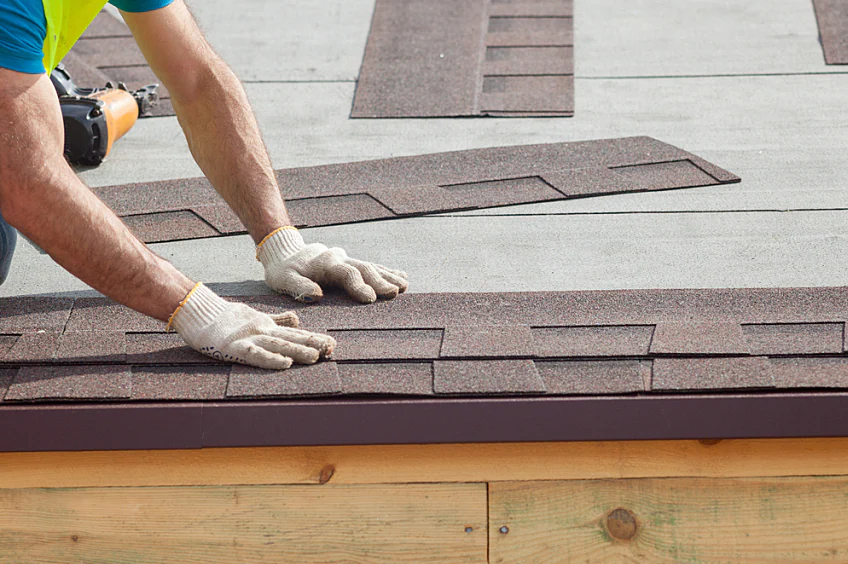
North Hollywood properties are exposed to extended periods of sunshine, seasonal rainfall, and occasional wind. These conditions can gradually affect roofing materials and create vulnerabilities around flashing, roof penetrations, valleys, vents, skylights, chimneys, and other transition points. A roof does not necessarily have to look severely damaged for water to find its way inside.
One of the most common signs of a roof leak is a water stain on a ceiling or wall. However, visible staining does not always identify the exact location of the roof problem. Water can travel along the underside of roofing materials, decking, rafters, insulation, or other building components before appearing indoors. This means simply sealing the area where a stain appears may not resolve the actual source.
Professional roof leak inspection focuses on identifying where water is entering and determining why it is happening. A roofing contractor can examine the exterior roofing materials, flashing, penetrations, drainage components, and other vulnerable areas. Depending on the roof design, additional inspection may be necessary to determine whether moisture has affected underlying materials.
Age can also contribute to roofing leaks. As roofing materials become older, exposure to sunlight, temperature changes, rain, and normal wear can gradually reduce their ability to protect the building. Seals may deteriorate, materials can become brittle, and previously reliable connections may require maintenance.
Storm conditions can create sudden problems as well. Strong winds may loosen roofing materials, while heavy rainfall can expose weaknesses that were not noticeable during dry weather. After a significant weather event, a professional roof inspection can help determine whether repairs are needed.
Addressing a roofing leak promptly can help prevent additional damage. Moisture that remains inside a roof assembly can contribute to deterioration of wood, insulation, drywall, and other materials. In some cases, prolonged moisture can also create conditions that require additional remediation.
For property owners in North Hollywood, the right response depends on the cause, location, extent, and age of the roofing problem. A professional evaluation can help determine whether the issue requires a localized repair, more extensive restoration, or a complete roof replacement.
Identifying the Source of a Roof Leak Before Repairs Begin
Finding the source of a roof leak is often more complicated than locating the place where water becomes visible. This is one reason professional leak detection can be valuable for homeowners and commercial property owners.
Water follows the path of least resistance. After entering through a damaged roofing area, it can move horizontally or downward before reaching the interior. As a result, the ceiling stain in a bedroom, hallway, office, or other area may be several feet away from the actual roof penetration.
A careful inspection considers the entire path that water could be taking. Roofing materials are examined for cracks, missing sections, lifted edges, punctures, deterioration, and other visible problems. The inspection may also focus on areas where different materials meet.
Flashing is one of the most important areas to examine during a roof leak inspection. Flashing is used around roof-to-wall transitions, chimneys, skylights, vents, valleys, and other vulnerable points. If flashing becomes damaged, displaced, corroded, or improperly sealed, water may enter the roofing assembly.
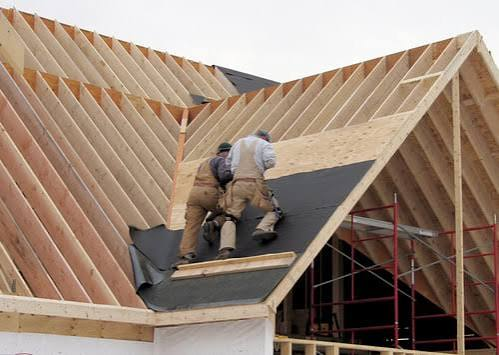
Roof penetrations can also become leak sources. Plumbing vents, HVAC equipment, satellite equipment, skylights, solar installations, and other features can create openings through the roof. These areas require appropriate flashing and weather-resistant detailing.
Drainage problems are another possible cause. Gutters and downspouts that are blocked or damaged can prevent water from leaving the roof efficiently. On flat or low-slope roofs, drains and scuppers are particularly important because water may remain on the surface when drainage is inadequate.
Valleys deserve special attention as well. A roof valley directs water from two roof sections toward a drainage point. If the valley has damaged materials, improper installation, accumulated debris, or deteriorated flashing, water may enter the building.
In some situations, the roof itself may not be the only source of moisture. Condensation, plumbing problems, HVAC drainage, and other building issues can produce symptoms that resemble a roofing leak. Proper diagnosis helps distinguish between these possibilities.
For this reason, a roofing professional should evaluate the evidence rather than automatically assuming that every ceiling stain is caused by the roof.
Once the source has been identified, the repair strategy can be developed. A localized problem may require replacement of damaged roofing materials or restoration of flashing. More extensive deterioration may require repairs to the underlying deck or other components.
The timing of the repair can also matter. A leak that appears only during heavy rain may still indicate a significant vulnerability. Waiting until water is continuously entering the property can allow the problem to become more extensive.
Homeowners should also document visible signs of water intrusion. Photographs of ceiling stains, damaged walls, wet insulation, or visible roofing problems can help establish when the issue was noticed and provide useful information during the inspection.
If you notice water inside your North Hollywood property, the safest approach is to have the roofing system evaluated as soon as practical. Identifying the source early can provide more repair options and may reduce the amount of interior and structural damage caused by ongoing moisture.
Common Causes of Roofing Leaks in North Hollywood Properties
Roof leaks can develop for many different reasons, and understanding common causes can help property owners recognize potential warning signs. While every roof is different, several areas frequently deserve closer attention when a leak develops.
Damaged roofing materials are one obvious cause. Asphalt shingles can crack, tear, lift, or lose protective granules. Tile roofs may develop broken or displaced tiles. Metal roofing can experience problems around seams, fasteners, edges, or penetrations. Flat roofing systems may develop damaged membranes, open seams, or compromised surface areas.
Flashing failures are another frequent concern. Flashing is designed to direct water away from vulnerable joints, but it can deteriorate over time. Improperly installed flashing may also create problems even when the surrounding roofing material appears to be in good condition.
Roof penetrations are naturally vulnerable because they interrupt the continuous roofing surface. Vents, skylights, chimneys, pipes, and equipment all require carefully installed transitions. If seals deteriorate or flashing becomes damaged, water can enter around the penetration.
Blocked gutters can also contribute to roofing problems. When water cannot flow freely through the gutter system, it may overflow against fascia boards, walls, or other components. In some situations, excessive water can also collect near the roof edge.
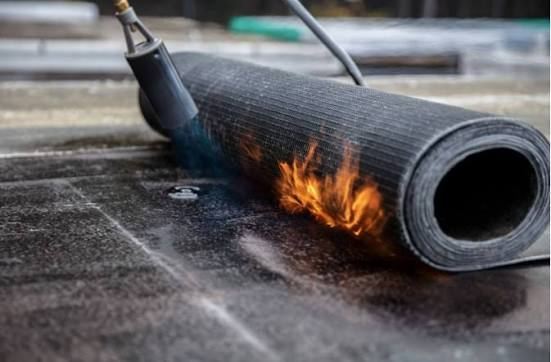
Debris accumulation can create additional concerns. Leaves, branches, dirt, and other material may collect in valleys, around drains, or behind rooftop equipment. Keeping the roof and drainage system reasonably clear can help water move as intended.
Age is another factor. No roofing system lasts indefinitely. Even quality materials gradually experience wear from exposure to the environment. An older roof may become more vulnerable to leaks because multiple components have reached advanced stages of deterioration.
Previous repairs can also affect the performance of a roof. Temporary patches may eventually fail, and repairs that were not properly integrated with surrounding materials can leave vulnerable areas. When a leak repeatedly returns in the same location, a more detailed inspection may be necessary.
Poor ventilation can contribute to roofing concerns as well. Excessive heat and moisture within an attic or roof assembly can affect certain materials and create conditions that may shorten the life of the roofing system.
North Hollywood weather conditions should also be considered. Long periods of sunlight expose roofing materials to ultraviolet radiation and heat, while seasonal rain tests the roof’s ability to shed water. Wind can add stress to exposed roofing materials and may loosen vulnerable components.
Commercial buildings face additional leak risks because large flat roofs can contain numerous penetrations and drainage points. HVAC units, vents, pipes, and other equipment create multiple areas requiring regular inspection and maintenance.
For property owners searching for roofing leak repair in North Hollywood, a professional inspection can help determine whether the leak is related to damaged materials, flashing, drainage, age, installation issues, or another source.
Once the cause is understood, the contractor can recommend an appropriate repair strategy. This may range from replacing a small section of roofing to performing more extensive work where moisture has affected underlying components.
Roof Leak Repair for Homes and Commercial Buildings
The appropriate approach to roof leak repair depends heavily on the type of building and roofing system involved. Residential homes, apartment buildings, offices, retail properties, and industrial structures can all experience leaks, but the repair process may differ considerably.
For residential properties, common leak locations include valleys, roof edges, vents, chimneys, skylights, and areas where different roof sections meet. Shingle and tile roofs may require localized replacement when individual materials have been damaged.
A repair should be integrated with the surrounding roofing system rather than simply covering the visible symptom. The goal is to restore the affected area while maintaining proper water flow and weather protection.
Flat residential roofs require a different approach. Because these systems rely heavily on drainage and membrane integrity, repairs may involve seams, penetrations, drains, edges, or damaged membrane sections.
Commercial buildings can have larger and more complex roof systems. A leak may develop near an HVAC unit, roof drain, parapet wall, pipe penetration, or seam. Because water can travel across a low-slope roof before entering the building, locating the actual source may require careful investigation.
Businesses should take roof leaks seriously because water intrusion can affect more than the building itself. Inventory, equipment, electrical components, furniture, documents, and other property may be vulnerable to moisture. A leak can also disrupt normal operations if affected areas need to be closed or repaired.
Property managers should consider maintaining records of inspections and repairs. Documentation can help identify recurring problem areas and make it easier to plan future maintenance.
In some cases, a temporary repair may be appropriate while a permanent solution is being scheduled. For example, a property owner may need immediate protection following weather damage. Temporary measures can reduce exposure while a more complete repair is arranged.
However, temporary solutions should not automatically be treated as permanent repairs. If the underlying cause remains, the leak may return during the next period of rainfall.
The condition of the surrounding roofing system should also be considered. If one area is damaged but the rest of the roof remains in good condition, a localized repair may be practical. If the roof has widespread deterioration, repeated leaks, or advanced age, replacement may ultimately provide a more suitable long-term solution.
A professional roofing contractor can explain the difference between repair and replacement based on the condition of the roof. Property owners should receive a clear explanation of what is damaged, what work is recommended, and why.
The repair process should also include attention to cleanup and protection of the property. Roofing materials, debris, and equipment should be managed carefully to reduce unnecessary disruption.
For anyone searching for roofing leak North Hollywood, selecting a contractor capable of working with both residential and commercial roofing systems can make it easier to receive an appropriate solution.
The goal is not simply to stop water from appearing temporarily. A successful repair should address the source of the leak and restore the roofing system as effectively as possible.
Preventing Future Roof Leaks Through Maintenance and Inspection
Repairing a roof leak is important, but preventing future leaks can be equally valuable. Routine maintenance gives property owners an opportunity to identify developing problems before they result in significant water intrusion.
Regular roof inspections are a useful starting point. A professional can examine areas that may be difficult for property owners to see from ground level, including flashing, roof penetrations, valleys, edges, drainage points, and other vulnerable components.
Gutters and downspouts should also receive regular attention. A roofing system depends on effective water management, and blocked drainage can create unnecessary stress on the roof and surrounding building components.
A roofing leak should therefore be treated as a symptom rather than simply a visible hole. The underlying cause needs to be identified so the repair addresses the actual problem.
After periods of heavy rain or strong wind, property owners should watch for new warning signs. These may include ceiling discoloration, damp areas, missing roofing materials, displaced tiles, damaged flashing, or unusual debris around the property.
Trees near the building should be monitored as well. Overhanging branches can contact roofing materials and may contribute to debris accumulation. Keeping trees appropriately trimmed can reduce contact with the roof and help maintain cleaner drainage areas.
Roof penetrations should be inspected periodically. Seals and flashing around vents, skylights, chimneys, and equipment can deteriorate independently of the primary roofing material. Addressing these areas during routine maintenance can help reduce the risk of water entering the building.
Commercial property owners should consider establishing a regular roofing maintenance schedule. Large roofs can contain numerous drains, penetrations, seams, and rooftop installations, making periodic inspections especially useful.
Homeowners can also benefit from keeping records of roofing work. Documentation about repairs, replacements, materials, and inspections can help establish a maintenance history and assist future contractors in understanding the roof.
If a property has experienced repeated leaks, it may be worth investigating whether there is a larger underlying issue. Repeatedly repairing the same symptom without identifying the root cause can result in recurring problems.
A professional roof inspection can help determine whether the existing roofing system remains suitable for continued repair or whether replacement should be considered.
When searching for roofing leak repair North Hollywood, property owners should look beyond emergency response and consider ongoing roof care. Preventive maintenance can help protect the investment made in the roofing system.
A well-maintained roof can also make it easier to identify changes over time. Small defects can often be addressed before they develop into larger concerns, particularly when inspections are performed consistently.
North Hollywood property owners can take a proactive approach by combining inspections, drainage maintenance, prompt repairs, and appropriate roof care. While no roofing system can be guaranteed to remain free of problems indefinitely, regular attention can help reduce avoidable risks.
If you currently have a roof leak, the first step is to determine where the water is entering and what caused the problem. If your roof is not currently leaking, an inspection can still help identify areas that may require attention.
Whether you own a home, rental property, office, retail building, or commercial facility, professional roofing services can help maintain the integrity of the roof and the structure beneath it.
When water appears inside your property, do not ignore the warning. A small stain may represent a problem that has already traveled beyond the visible area. Prompt professional evaluation can help identify the source, determine the appropriate repair, and protect the property from further moisture intrusion.
For dependable roofing leak services in North Hollywood, careful inspection, accurate diagnosis, quality repairs, and ongoing maintenance are all important parts of protecting your roofing investment.
818-465-3080
