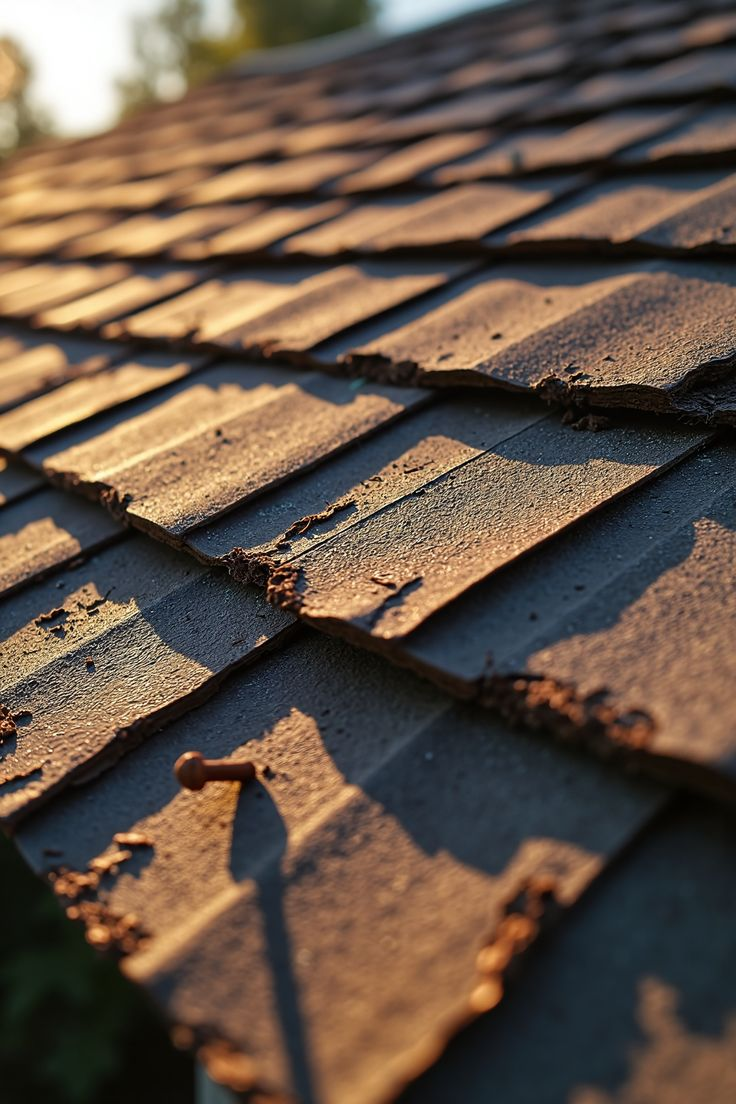
Professional Roofing Installation in North Hollywood
A properly installed roof is one of the most important investments a North Hollywood property owner can make. Your roof protects the building from sun, rain, wind, changing temperatures, and everyday exposure to the elements. When a roof is installed correctly from the beginning, it can provide dependable protection, improve energy efficiency, and contribute to the long-term value and appearance of the property. For homeowners and businesses looking for roofing installation in North Hollywood, choosing an experienced roofing professional is an important part of planning a successful project.
Roof installation involves much more than placing new shingles, tiles, or roofing materials over a structure. A quality installation begins with evaluating the existing roof system, inspecting the underlying decking, checking ventilation, reviewing drainage, and selecting materials appropriate for the building. Every property has different requirements, so the installation process should be planned around the roof’s design, slope, materials, and exposure.
North Hollywood properties experience plenty of sunshine throughout the year, while seasonal rain can place additional demands on roofing systems. Strong sunlight can gradually affect certain roofing materials, while rain can reveal weaknesses around flashing, valleys, vents, skylights, and other roof penetrations. Proper installation helps create a roofing system designed to handle these conditions.
When planning a new roof, property owners have several material choices. Asphalt shingles remain a popular option for residential properties because they are available in numerous styles and can provide a practical balance between appearance, performance, and cost. Tile roofing is another option frequently considered for homes, particularly when a property owner wants a distinctive architectural appearance and a durable roofing system. Flat and low-slope roofs are common on many commercial buildings and require installation techniques specifically suited to their design.
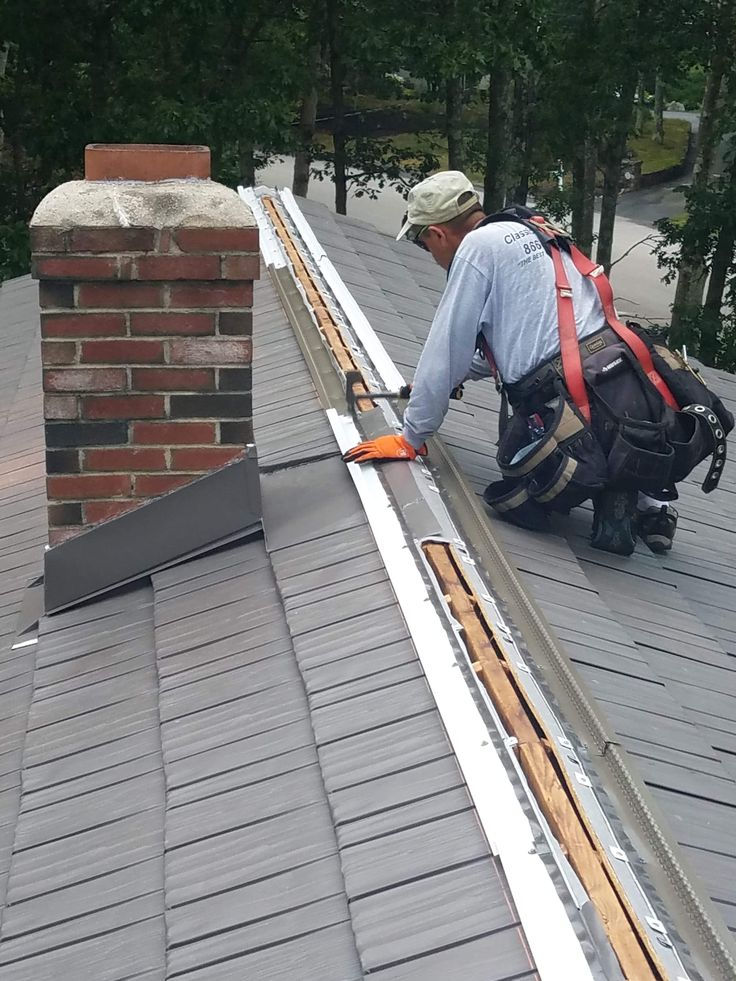
Ventilation is another important part of the roofing system. Proper attic ventilation can help manage heat and moisture while supporting the performance of the roof assembly. Similarly, effective drainage helps direct water away from the building rather than allowing it to collect in vulnerable areas.
For North Hollywood homeowners, installing a new roof is an opportunity to address existing problems while creating a stronger foundation for years of protection. Instead of treating roofing installation as simply a cosmetic improvement, it is better to view the roof as an integrated system made up of materials, flashing, ventilation, drainage, and supporting structures.
Whether you are constructing a new home, replacing an aging roof, or upgrading an existing property, careful planning can make the installation process smoother. A qualified roofing contractor can evaluate the property, explain available options, prepare the roof properly, and install the selected roofing system according to the project’s specific requirements.
Choosing the Right Roof for Your North Hollywood Property
Selecting roofing materials is one of the most important decisions in a new roofing installation. The right choice depends on more than appearance. Property owners should consider the roof’s design, expected service life, maintenance requirements, weather exposure, budget, and the overall style of the building.
Asphalt shingles are widely used for residential roofing because they offer flexibility in color and design. They can complement many different architectural styles and are available in options designed for varying performance requirements. When installed correctly over a properly prepared roof deck, shingles can provide dependable protection for a residential property.
Tile roofing offers a different appearance and can be particularly attractive on homes with Mediterranean, Spanish, Southwestern, or similar architectural influences. Concrete and clay tiles are available in different profiles and colors. Because tile can be heavier than some other roofing materials, the underlying roof structure should be evaluated before installation to ensure it is appropriate for the selected system.
Metal roofing is another option for property owners seeking a durable and distinctive roofing solution. Metal systems are available in different profiles and finishes and can be used for both residential and commercial applications. Proper installation is essential because fastening methods, seams, flashing, and transitions all play a role in the finished roof’s performance.
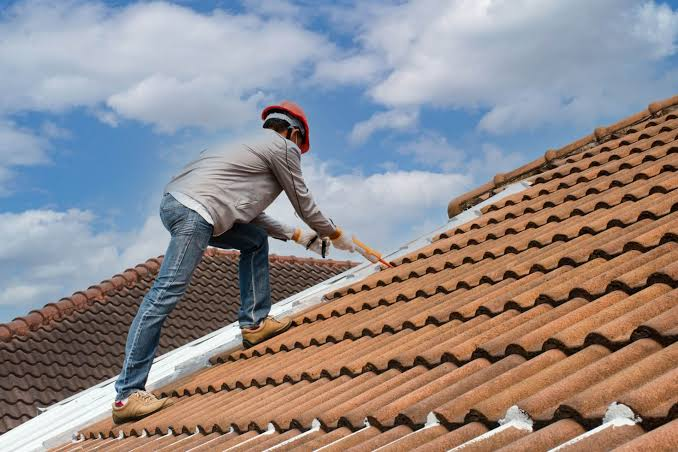
Flat roofing requires a different approach from traditional pitched roofing. Commercial and residential buildings with low-slope roofs may use membrane-based systems or other specialized materials. Water drainage is especially important on these roofs because their design does not allow water to move as quickly as it does on a steeply pitched roof. Installation must account for seams, penetrations, edges, drains, and areas where different surfaces meet.
Roof color and appearance can also influence the overall look of a property. A new roof is highly visible, making material selection an opportunity to improve curb appeal while addressing practical roofing requirements. However, appearance should be considered alongside durability, maintenance, installation requirements, and compatibility with the existing structure.
Another important consideration is the condition of the existing roofing system. Sometimes a property may appear suitable for another layer of roofing material, but the underlying structure may have damage or deterioration that needs attention first. A thorough inspection helps determine whether a roof can be repaired, resurfaced, or requires a complete replacement and installation.
A professional roofing contractor can explain the advantages and limitations of different materials rather than recommending a one-size-fits-all solution. The goal should be to select a roofing system that fits the property and the owner’s long-term plans.
For homeowners searching for roof installation in North Hollywood, it is also important to consider the complete roofing assembly. Shingles or tiles are only one component. Underlayment, flashing, ventilation, edge details, fasteners, and drainage all contribute to the finished result.
Taking time to choose the right materials before installation can reduce unexpected decisions during the project. A detailed estimate and clear project plan can help property owners understand what is being installed, what preparation is required, and how the finished roof is expected to perform.
The Roofing Installation Process From Inspection to Completion
A successful roofing installation starts before the first roofing material is placed on the building. Preparation is an essential part of the process because problems beneath the finished roof can be difficult and expensive to address later.
The first stage typically involves an inspection and evaluation. A roofing professional examines the existing roof, identifies visible damage, evaluates drainage, and looks for concerns around flashing, vents, chimneys, skylights, and other penetrations. For a replacement project, this inspection can help determine whether the existing roofing system needs to be completely removed and what condition the underlying structure is in.
Once the project is planned, the installation area can be prepared. This may involve removing old roofing materials, protecting landscaping and surrounding surfaces, and establishing safe access to the roof. Proper preparation helps keep the project organized and reduces unnecessary disruption to the property.
After removal, the roof deck can be inspected more closely. Any damaged or deteriorated sections should be identified before the new roofing system is installed. A stable and properly prepared deck provides the foundation for the materials that follow.
A professional roofing installation should also consider the condition of the roof deck. If damaged wood or other structural issues are discovered during preparation, those problems should be addressed before the new roofing materials are installed. Covering damaged areas without correcting the underlying problem can create complications later.
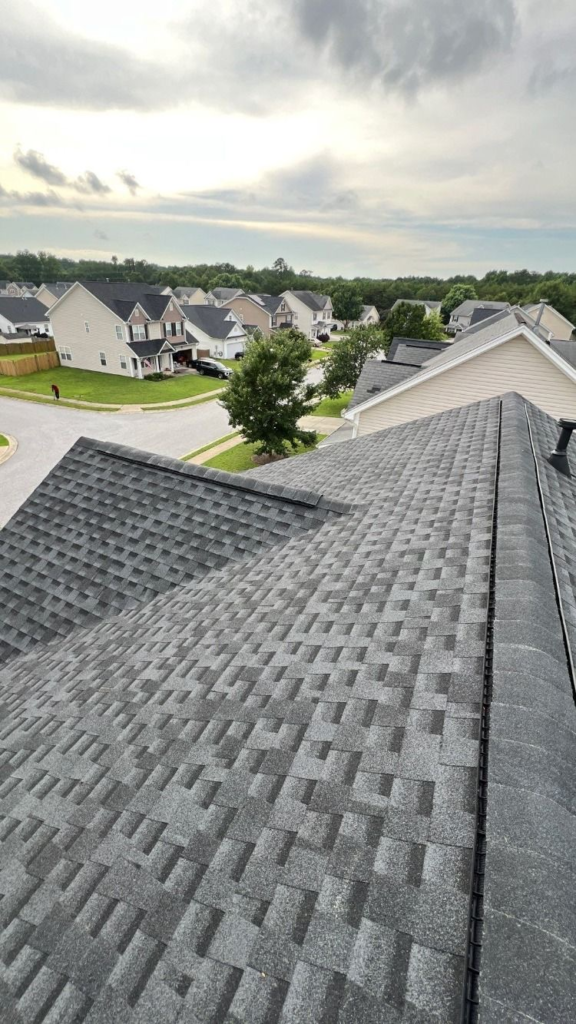
The next stage involves installing the appropriate underlayment and water-resistant components. These layers provide additional protection beneath the visible roofing material. The exact system depends on the roof design and selected materials.
Flashing is another critical component. Flashing helps protect vulnerable transition points where the roof meets walls, chimneys, vents, skylights, and other structures. Poorly installed or damaged flashing can become a common source of water intrusion, which is why these areas deserve careful attention during installation.
The primary roofing material is then installed according to the requirements of the selected system. Shingles, tiles, metal panels, or membrane roofing each require different installation methods. Proper spacing, fastening, alignment, overlaps, seams, and edge details all contribute to the finished roof.
Ventilation should also be addressed as part of the overall installation. Depending on the building, this may involve intake and exhaust ventilation designed to support appropriate airflow through the attic or roof assembly.
Drainage components are inspected and installed as needed. Gutters, downspouts, drains, and roof slopes all play a role in moving water away from the structure. Keeping water moving efficiently can help reduce the risk of standing water and moisture-related problems.
Once installation is complete, the roofing contractor should perform a final inspection. This provides an opportunity to check seams, fasteners, flashing, edges, penetrations, drainage points, and other details before the project is considered finished.
A professional roofing installation in North Hollywood should leave the property owner with a clear understanding of the completed work. Documentation, material information, warranty details, and maintenance recommendations can all be useful after the installation.
The installation process may vary depending on the property’s size, roof design, material selection, and condition. However, careful preparation and attention to detail remain important regardless of the project type.
Residential and Commercial Roofing Installation in North Hollywood
Roofing requirements can differ significantly between residential and commercial properties. A family home, apartment building, office, retail property, and industrial building may all require different roofing systems and installation techniques.
Residential roofing often focuses on pitched roof designs, although flat and low-slope systems are also found throughout North Hollywood. Homeowners may choose asphalt shingles, tile, metal, or other materials based on architectural style, performance requirements, and budget.
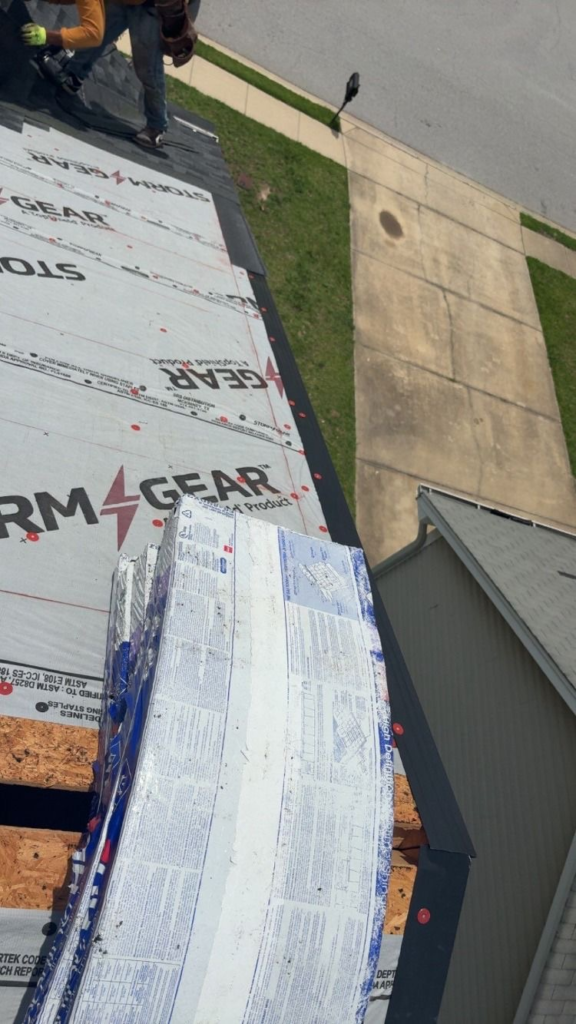
During a residential roof installation, protecting the surrounding property is an important consideration. Landscaping, driveways, patios, windows, and exterior surfaces should be treated carefully throughout the project. A well-organized roofing crew can establish a work area designed to keep materials and debris controlled.
Homeowners should also consider how the new roof will work with existing gutters, attic ventilation, skylights, solar equipment, and other features. These components may need to be adjusted, temporarily removed, or integrated into the new roofing system.
Commercial roofing can involve larger surfaces and more complex layouts. Flat and low-slope roofs may contain HVAC equipment, vents, drains, pipes, electrical components, and other penetrations. Each penetration creates a potential transition point that must be properly addressed during installation.
Commercial property owners often need to consider scheduling as well. A roofing project may affect employees, customers, tenants, deliveries, or normal business activities. Planning the installation carefully can help reduce disruption while allowing the contractor to maintain a safe work environment.
For both residential and commercial projects, communication is essential. Before work begins, property owners should understand the expected scope, materials, preparation requirements, project timeline, payment terms, and warranty information. Written documentation can help eliminate confusion about what is included in the installation.
Roof replacement can also be an opportunity to improve the property’s overall roofing system. If the existing roof has recurring drainage problems, inadequate ventilation, deteriorated flashing, or outdated materials, these concerns can be evaluated during the installation process.
A roofing contractor should also follow appropriate safety practices during installation. Roofing involves elevated work, heavy materials, tools, and changing job-site conditions. Professional planning and safety procedures are important for protecting workers, occupants, and the property.
Whether you own a single-family home, rental property, commercial building, or multi-unit property, the installation should be tailored to the structure. A roofing system is not simply a layer placed on top of a building; it is a combination of components that must work together.
Choosing an experienced North Hollywood roofing installation professional can help property owners navigate material selection, preparation, installation, and final inspection. The result should be a roofing system designed around the property’s specific needs rather than a generic solution.
Planning a Long-Lasting Roof Installation in North Hollywood
A new roof represents a significant investment, so property owners naturally want the installation to provide reliable performance for as long as possible. While every roofing material has different characteristics, the quality of installation, preparation, maintenance, and environmental exposure can all affect the overall performance of a roof.
One of the best ways to protect a new roof is to begin with a detailed installation plan. Before work starts, property owners should understand the condition of the existing structure and what will be required to prepare it for the new roofing system.
It is also useful to ask questions about the materials being proposed. Property owners can request information about the roofing product, underlayment, flashing, ventilation, drainage, installation method, and applicable warranties. Understanding the complete system makes it easier to compare proposals and make an informed decision.
The written estimate should clearly explain the scope of work. Depending on the project, this may include removal of existing roofing, disposal of old materials, deck repairs, underlayment, new roofing materials, flashing, ventilation components, cleanup, and final inspection.
Property owners should also verify that the roofing contractor has the appropriate credentials, insurance, and experience for the project. A professional approach to documentation can provide greater clarity before work begins.
After the new roof is installed, regular maintenance can help identify small concerns before they become larger problems. Periodic roof inspections are particularly useful after severe weather or when a property owner notices changes such as stains, damaged materials, loose flashing, clogged drainage, or unexplained moisture.
Gutters and downspouts should be kept clear so rainwater can move away from the roof and foundation. Trees near the property should also be monitored because branches and accumulated debris can affect roofing materials.
Roof penetrations deserve ongoing attention as well. Vents, skylights, chimneys, pipes, and equipment can create areas where water may enter if seals or flashing deteriorate. During routine inspections, these areas should be checked carefully.
A new roof can also improve the appearance of a property. Fresh roofing materials can give an older building a cleaner appearance while providing an opportunity to coordinate the roof with exterior walls, trim, windows, and other architectural features.
For homeowners and businesses searching for roofing installation in North Hollywood, the most important part of the process is choosing a roofing system that matches the property and having it installed with careful attention to preparation and detail.
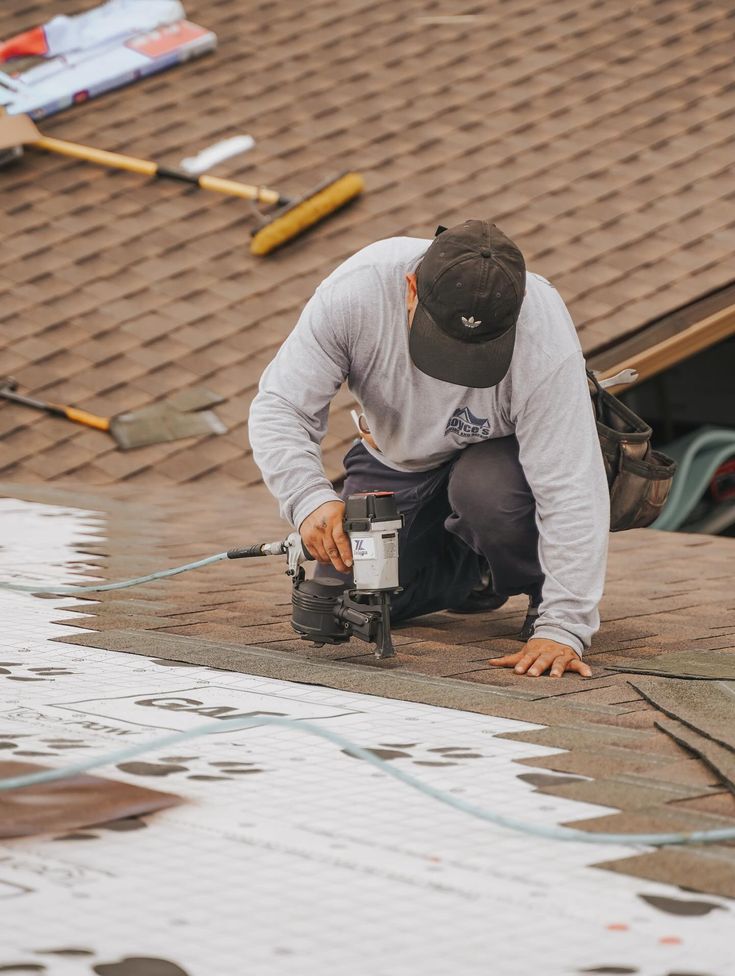
A roof should be viewed as a long-term building component rather than a temporary improvement. Professional installation, appropriate materials, proper drainage, effective ventilation, and regular maintenance all contribute to the overall performance of the system.
North Hollywood property owners may also need to consider future maintenance. Even a newly installed roof benefits from periodic inspections and routine care. Keeping gutters clear, monitoring flashing, checking drainage, and addressing minor issues early can help protect the investment.
If your North Hollywood property needs a new roof, replacement roofing, or a completely new roofing system, a professional evaluation can help identify the most appropriate approach. Starting with an inspection and detailed project plan allows you to understand your options before construction begins.
With the right planning and installation process, a new roof can provide dependable protection, enhance the property’s appearance, and support the building for many years. Whether the project involves a residential home, rental property, commercial building, or another type of structure, professional roof installation in North Hollywood can provide a practical foundation for long-term roofing performance.
818-465-3080
